F-22 Raptor

(U.S. Marine Corps photo by Lance Cpl. Dan T. Le/Released) · Public domain
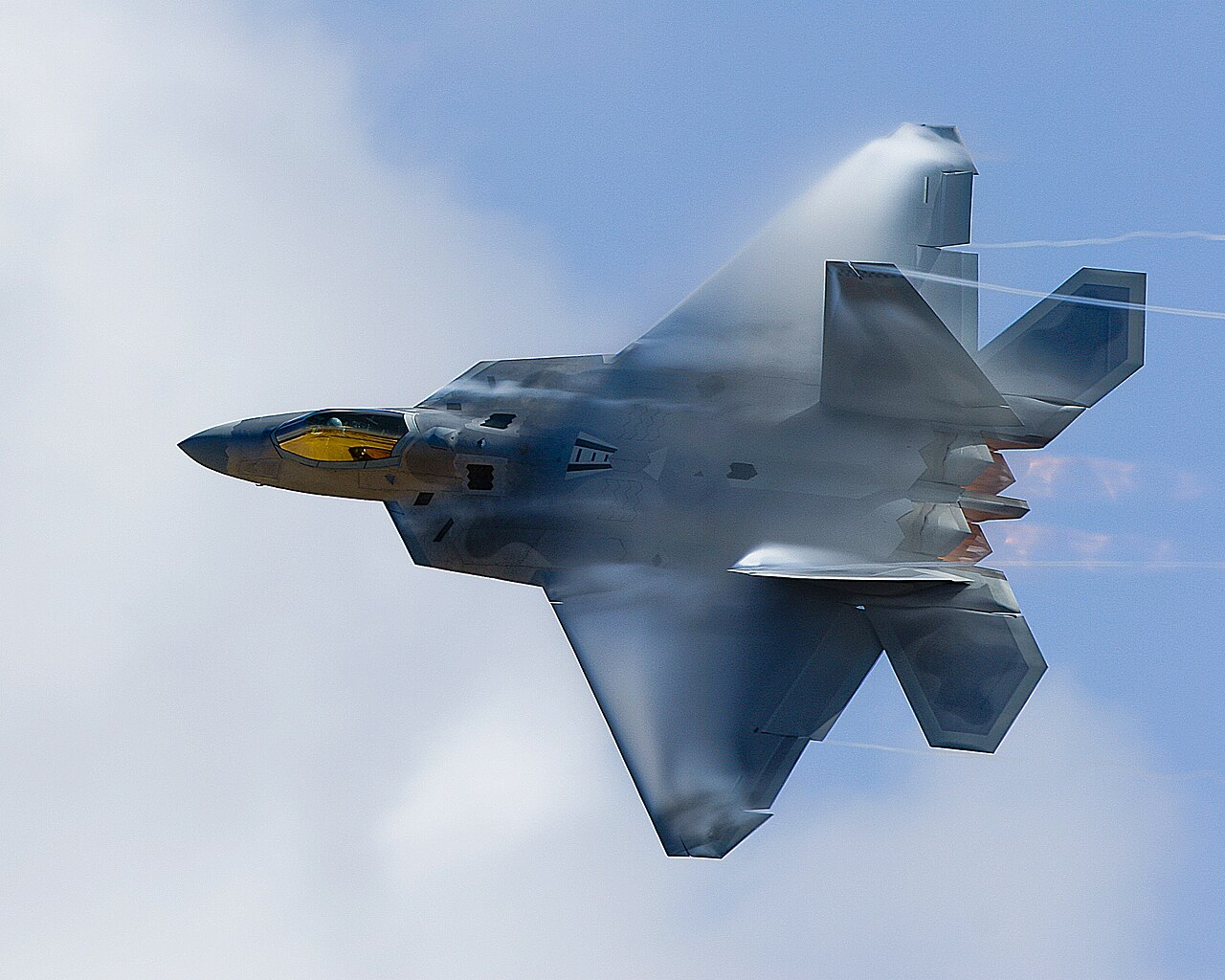
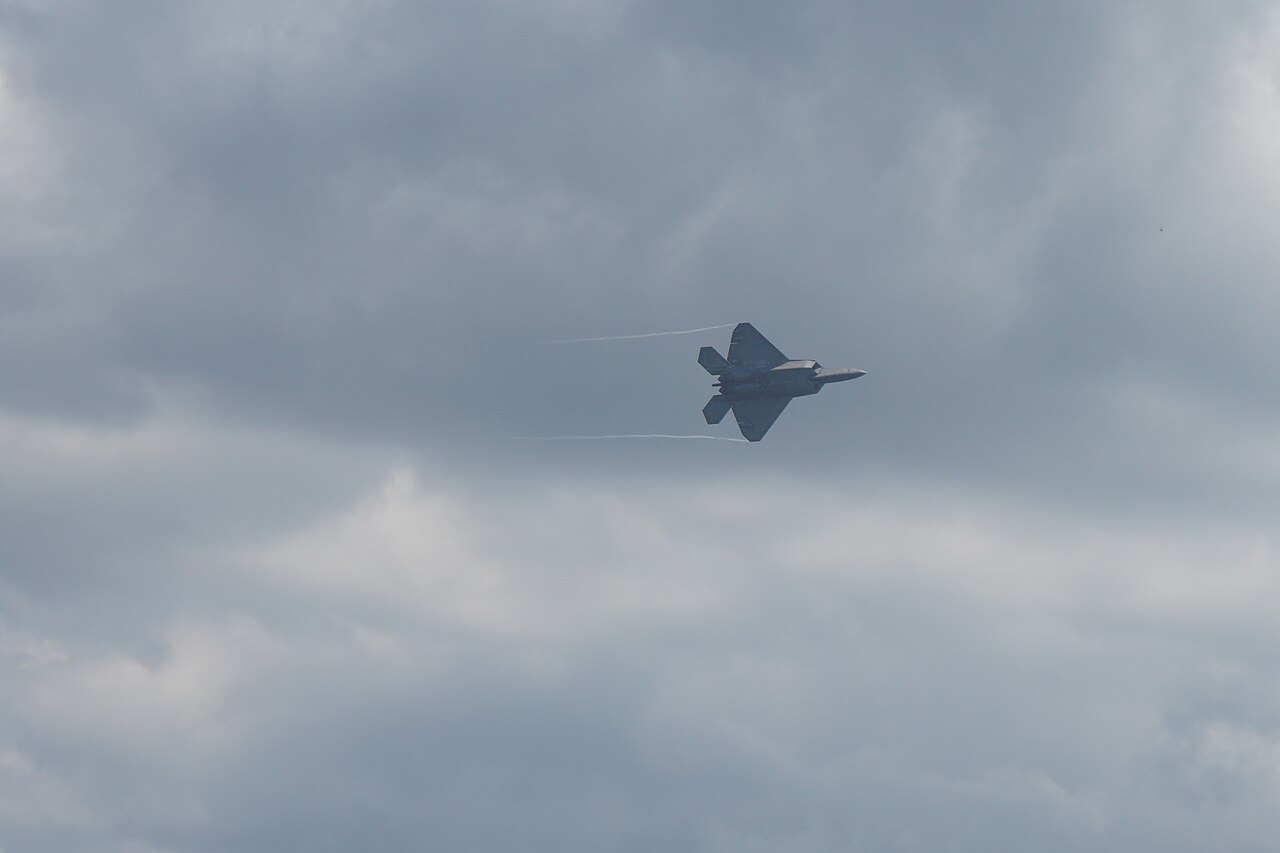
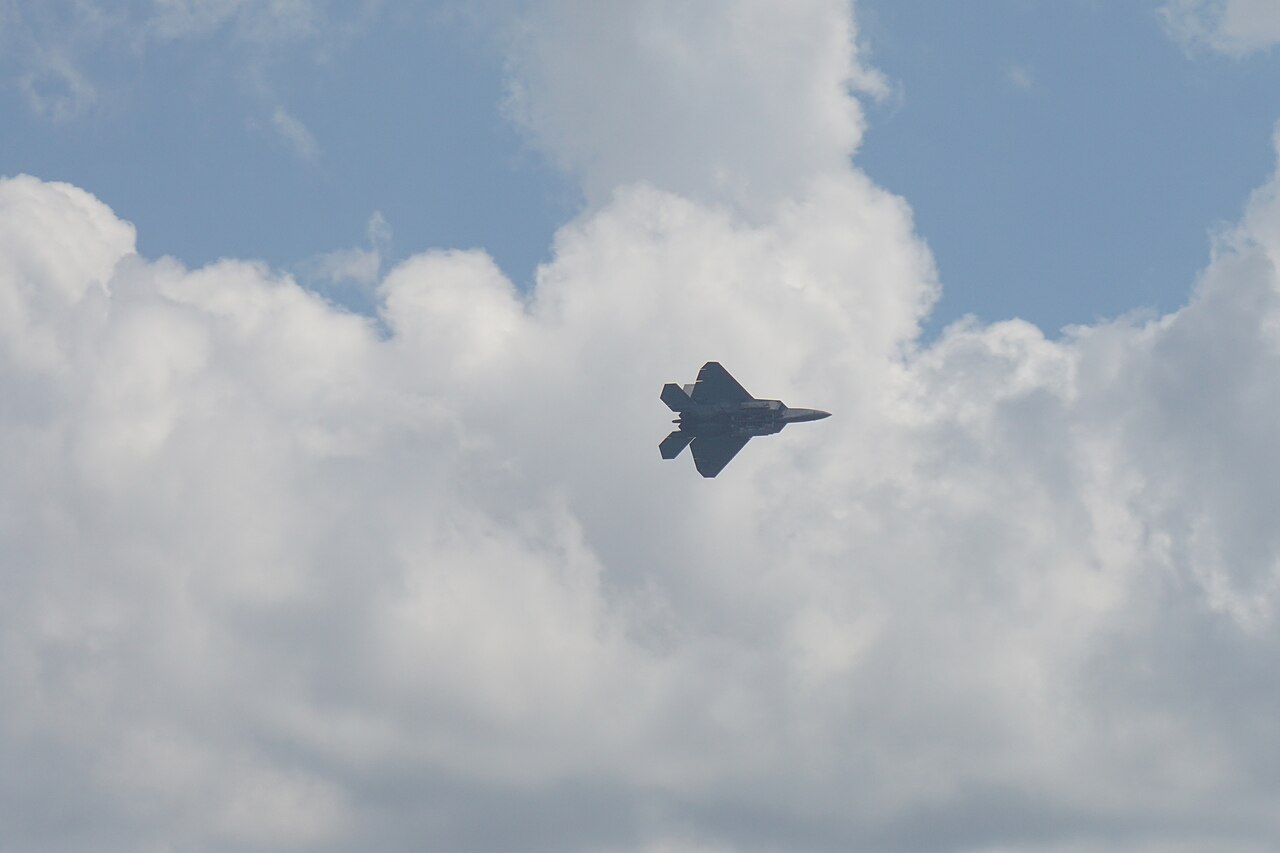
The Lockheed Martin–Boeing F-22 Raptor is an American twin-engine, jet-powered, all-weather, supersonic stealth fighter aircraft. Developed under the United States Air Force's Advanced Tactical Fighter program, it was designed as an air superiority fighter and also incorporates ground attack, electronic warfare, and signals intelligence capabilities.
- Field
- Military aviation
- Nationality
- American
- Known for
- Stealth air superiority fighter, supercruise, and advanced avionics
Lore & Background
The ATF program aimed to leverage new technologies such as composite materials, supercruise, and stealth. After a demonstration and validation phase, Lockheed and Northrop were selected as finalists in October 1986, with Lockheed teaming with Boeing and General Dynamics.
Reader's Guide
The F-22 Raptor is a critical component of the USAF's tactical airpower as its most advanced air superiority fighter. Despite a protracted development and initial operational difficulties, it became the service's leading counter-air platform.
Inheriting the Air Superiority Crown
The F-22 Raptor entered United States Air Force service in the 2000s as the designated successor to the F-15 Eagle in the dedicated air superiority role. The F-15 had itself replaced the F-4 Phantom II, a lineage of air superiority fighters stretching back to the late Cold War. The F-22 thus stepped into a mission with a proven track record, inheriting a doctrine of air dominance that had been refined through decades of operational experience and theoretical development.
Procurement Pressures and the F-15EX Bridge
The F-22's procurement trajectory has had far-reaching consequences for the USAF's air superiority inventory. Reduced procurement numbers for the Raptor meant the service could not retire its remaining F-15C/D air superiority fighters on the originally planned timeline. To maintain an adequate number of dedicated air superiority fighters in the interim, the USAF was compelled to develop and field the F-15EX, an advanced variant of the Eagle designed to supplement the F-22 fleet. This created an unusual situation in which the Raptor, the aging F-15C/D, and the F-15EX would all operate in the same mission set simultaneously, a configuration born directly from the limited production run of the F-22.
The Doctrine Behind the Lineage
The F-22 Raptor stands at the end of a design philosophy forged in the hard lessons of the Vietnam War. During that conflict, the F-4 Phantom II, optimized for long-range missile engagements, found itself at a disadvantage in the close-in dogfights that actually occurred, losing aircraft to cheaper, more maneuverable opponents like the MiG-17 and MiG-21. These experiences shattered the prevailing doctrine that emphasized speed and missile range above all else. John Boyd's energy-maneuverability theory emerged from this re-evaluation, arguing that excess power and agility were the true determinants of air combat success. The F-22, arriving decades later, continues that same foundational principle: that a fighter's worth is measured not by its top speed but by its ability to out-maneuver and out-think an opponent in the three-dimensional battlespace.
A Role in a Wider Alliance
The F-22 Raptor occupies a position within a broader ecosystem of allied air superiority fighters. The F-15 it succeeded had been exported to Israel, Japan, and Saudi Arabia, and its F-15E Strike Eagle derivative found additional foreign customers. The F-15 remained in service with multiple nations well into the 21st century, producing a long tail of subvariants and enhanced models for foreign operators. The F-22, by contrast, is a distinctly American asset, tasked with maintaining the air superiority capability that the Eagle had provided to the USAF and its partners for nearly three decades. Its limited procurement, and the resulting need for the F-15EX bridge, underscores how central the dedicated air superiority mission remains to U.S. and allied air power strategy.
Common Misconceptions (Editorial)
Some people think the F-22 was not developed through a competitive selection process, but the facts confirm Lockheed and Northrop were finalists after a demonstration and validation phase, with Lockheed teaming with Boeing and General Dynamics. Others mistakenly believe it is solely an air superiority fighter with no other roles, whereas the facts state it also incorporates ground attack, electronic warfare, and signals intelligence capabilities.
Why It Matters (Editorial)
The F-22 Raptor endures as a benchmark in military aviation because it pioneered the integration of stealth, supercruise, and advanced avionics into a single operational platform. Its design philosophy, born from the Air Force's ambitious Advanced Tactical Fighter program, continues to influence modern fighter development and maintain America's technological edge in air combat.
Gallery
Frequently Asked Questions
What are F-22 Raptor's powers/role?
Its core mission is air superiority, but it is also equipped to carry out ground-attack, electronic-warfare, and signals-intelligence tasks. It is a twin-engine, all-weather, supersonic jet built to dominate contested airspace.
Why is F-22 Raptor important?
It was the first operational fighter to fuse low-observable stealth, supercruise, and state-of-the-art avionics into a single air-superiority platform. Its design set the performance benchmark that later fifth-generation programs aim to match or exceed.
What makes F-22 Raptor different from other fighters?
Its stealth shaping, internal weapons bays, and ability to sustain supersonic speed without afterburner let it penetrate enemy defenses while keeping a fuel-efficient edge. No other operational aircraft combines all of those traits in one airframe.
More in Warplanes 1-22
Spotted an error? Know more?
This is a living reference — every entry is fact-audited, and reader corrections feed straight into our audit queue. Suggest an edit · See this site's audit record