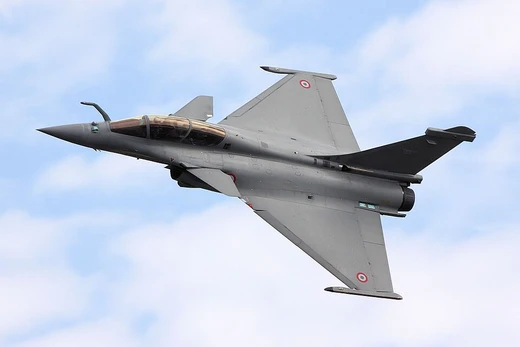
Supermarine Spitfire
British single-seat fighter used by the Royal Air Force and other Allied countries through WWII and into the 1950s.

via Wikipedia: List of surviving Supermarine Spitfires · see source
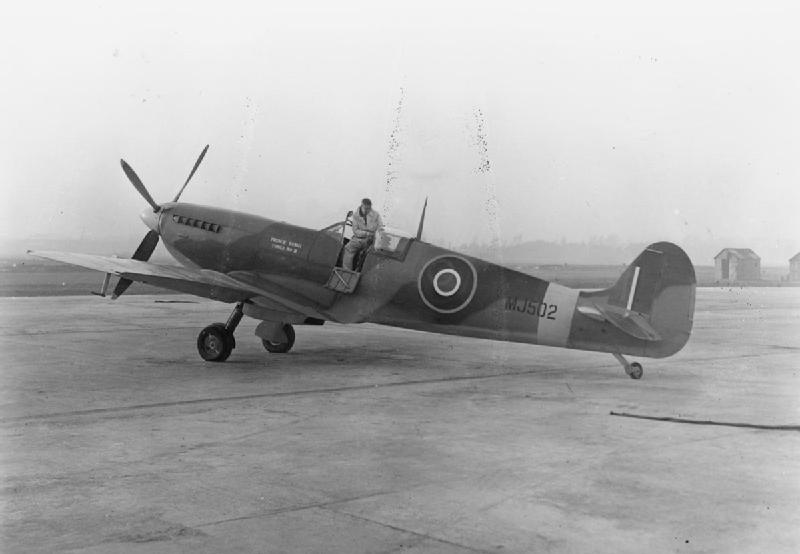
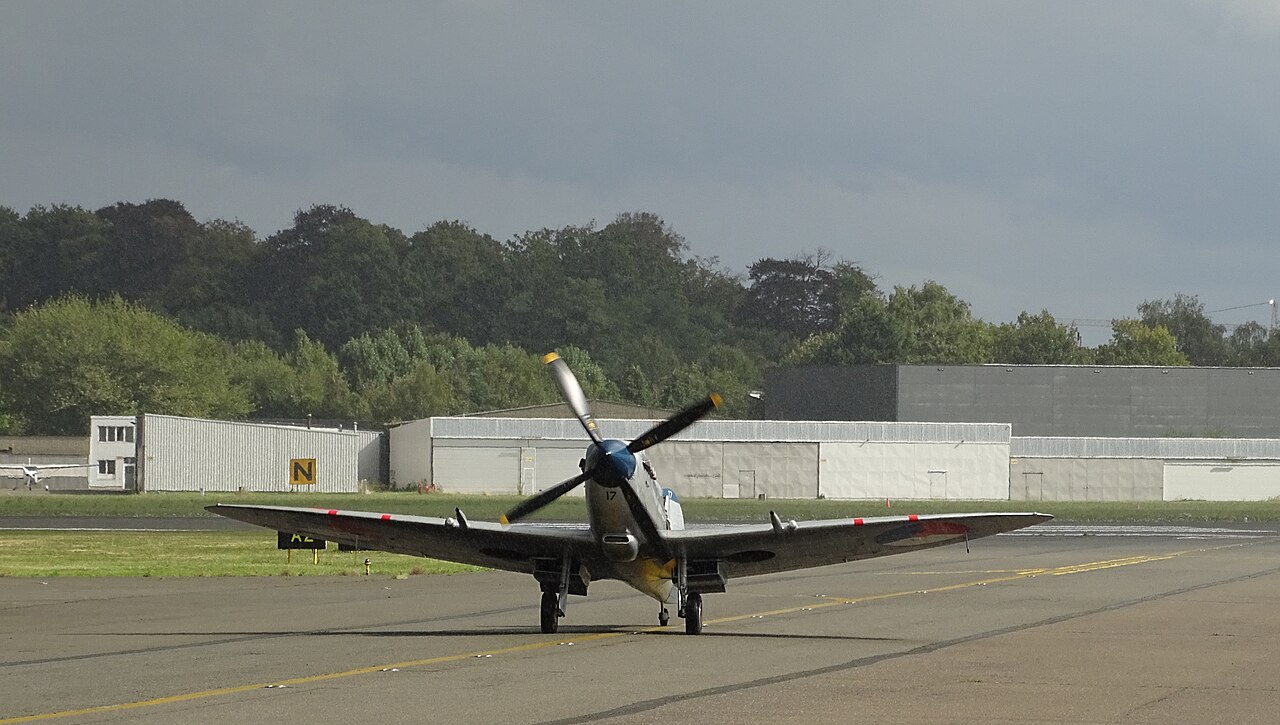
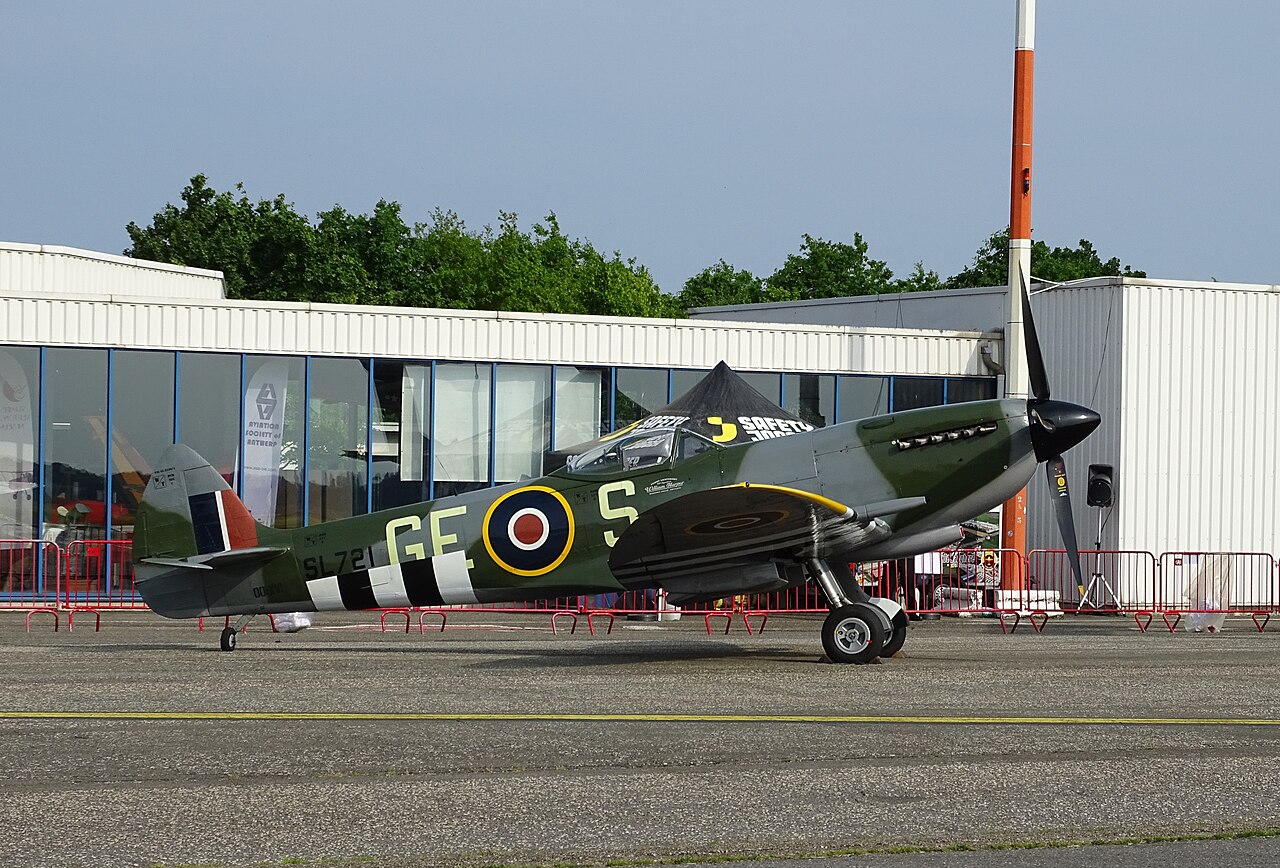
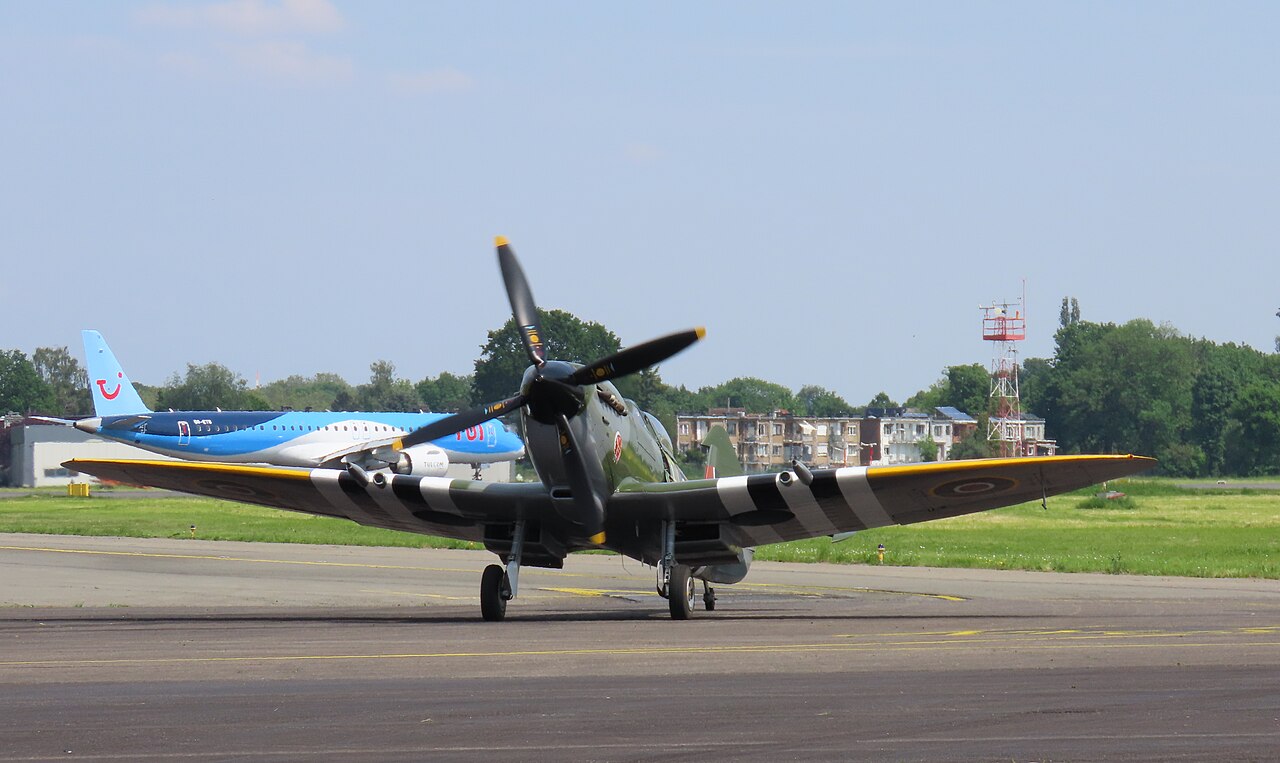
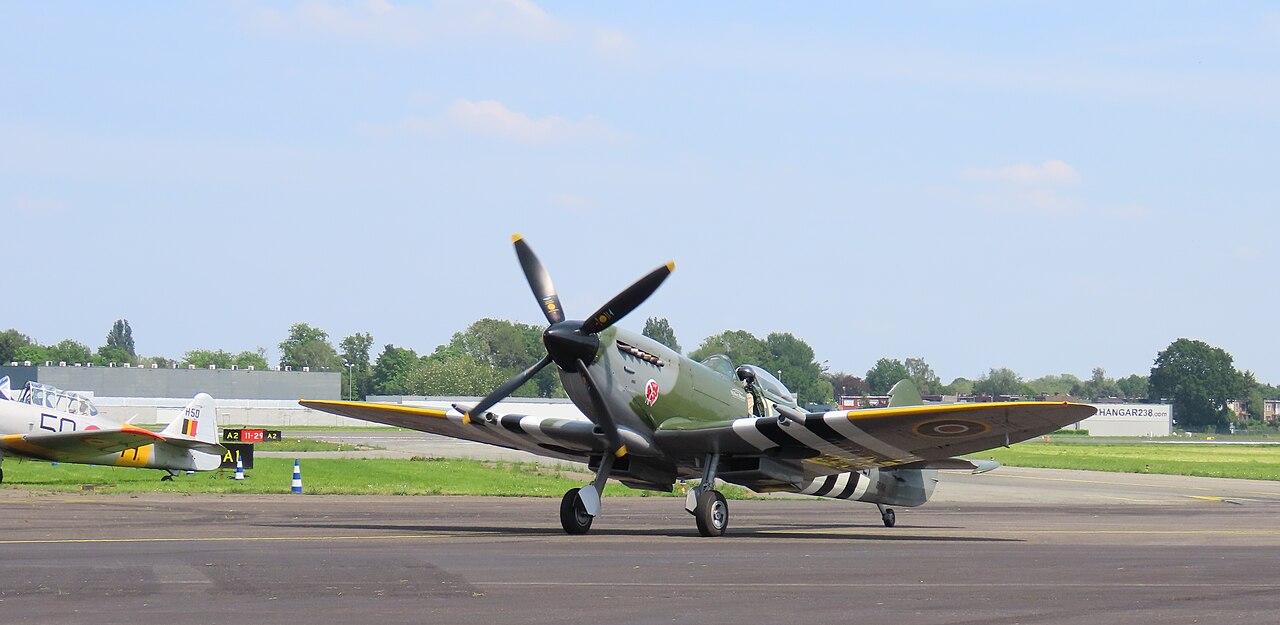
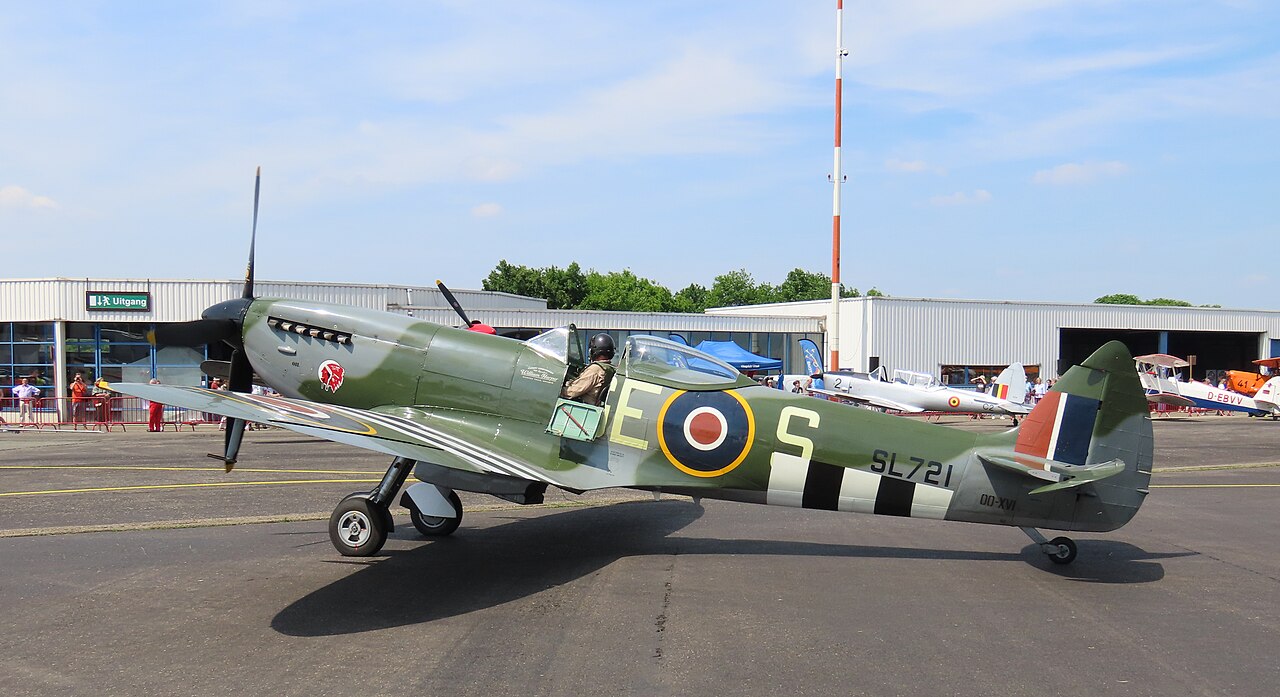
The Supermarine Spitfire is a British single-seat fighter aircraft used by the Royal Air Force along with many other Allied countries throughout the Second World War and afterwards into the 1950s as both a front-line fighter and also in secondary roles.
- role
- Interceptor, photo-reconnaissance, fighter-bomber, trainer
Verified Timeline
Lore & Background
The Supermarine Spitfire is a British single-seat fighter aircraft used by the Royal Air Force along with many other Allied countries throughout the Second World War and afterwards into the 1950s as both a front-line fighter and also in secondary roles. Many smaller countries purchased Spitfires as the major industrial nations phased out propeller-powered aircraft in favour of new jets. When these smaller nations started to update their air forces, many of their Second World War aircraft were sold on the open market to individuals or for scrap. Museums and private collectors began to acquire these Spitfire and Seafire aircraft, and today many survive in these collections around the world.
Reader's Guide
This article lists surviving Spitfires and Seafires, according to their geographical location and the condition that they are in. In Australia, airworthy examples include Spitfire Mk.VIIIc MV154 (VH-A58), based at Archerfield in Brisbane, Queensland, painted in the colors of A58-484, the personal mount of Australia's highest scoring pilot Clive Caldwell. Built at Supermarine Southampton in 1944, it was delivered by ATA pilot Mary Wilkens to 6 Maintenance Unit before it was shipped to Australia for the RAAF as A58-671. It never saw service and remained in storage until 1994, when it was rebuilt to fly with the UK civil register G-BKMI. The aircraft suffered a prop strike in 2019 during the Battle of Britain Airshow at Duxford in September. The aircraft was repaired by the Aircraft Restoration Company (ARCo), re-registered as G-BKMI and was flown in the UK. In early 2024 it was sold to Archerfield, making her return to Australia on October 18, 2024. Another airworthy example is Spitfire HF Mk.VIIIc MV239 (VH-HET) at Temora Aviation Museum in Temora, New South Wales. It flew with the RAAF as A58-758, and ownership was transferred to the RAAF in July 2019 and it is operated by the Air Force Heritage Squadron (Temora Historic Flight).
Did You Know?
- Spitfire Mk.VIIIc MV154 never saw service and remained in storage until 1994, when it was rebuilt to fly.
- Spitfire LF Mk.IXe PL344 suffered a wheels-up landing in 1946 and has been rebuilt at least three times since.
- Spitfire Mk.IIa P7973 has not been repainted since WWII and still bears its original RAF Central Gunnery School markings.
- Spitfire LF Mk.IXe SL633 served with the Royal Air Force, the Czechoslovak Air Force, the Israeli Air Force, and the Burmese Air Force.
- Spitfire F Mk. Ia X4009 was flown by Paterson Clarence Hughes, who was credited with 9 kills and 1 probable in that aircraft before he was killed in it on 7 September 1940.
Post-War Dispersal and the Open Market
Many smaller countries purchased Spitfires as the major industrial nations phased out propeller-powered aircraft in favour of new jets. When these smaller nations started to update their air forces, many of their Second World War aircraft were sold on the open market to individuals or for scrap. Museums and private collectors began to acquire these Spitfire and Seafire aircraft, and today many survive in these collections around the world.
Restoration Journeys and Second Flights
Spitfire Mk.VIIIc MV154 (VH-A58) was built at Supermarine Southampton in 1944 and delivered by ATA pilot Mary Wilkens to 6 Maintenance Unit before it was shipped to Australia for the RAAF as A58-671. It never saw service and remained in storage until 1994, when it was rebuilt to fly with the UK civil register G-BKMI. It was later sold to Meier Motors in Germany and subsequently re-registered as D-FEUR. The aircraft suffered a prop strike in 2019 during the Battle of Britain Airshow at Duxford in September. The aircraft was repaired by the Aircraft Restoration Company (ARCo), re-registered as G-BKMI and was flown in the UK. In early 2024 it was sold to Archerfield, making her return to Australia on October 18, 2024. Spitfire LF Mk.IXe PL344 (VH-IUK) served with 602 Squadron, 442 Squadron and 401 Squadron during the war then 130 Squadron and finally No. 129 Squadron RAF before suffering a wheels-up landing in 1946. Rebuilt to airworthy condition in 1991 with the registration G-CCIX. Kermit Weeks acquired the Spitfire in 1992 and was rebuilt again to near-original condition. Completed in 2000 and registered as N644TB as a birthday gift for Tom Blair from his wife, Alice Blair, who bought it from Kermit Weeks. Exported to the UK in 2007, rebuilt for a third time including the fitting of fuel tanks in the wings before a post-rebuild first flight in 2007. Returned to America some time after, UK registration was cancelled in September 2020 and the aircraft was exported to Australia in 2021 as VH-IUK. After some time in preparation, the aircraft was repainted in its 401 Squadron markings of YO-K and flew in Australia on 11 June 2022.
Preservation in Museums and the Wild
Spitfire Mk.IIa P7973 was flown on 24 operations by several Royal Air Force (RAF) and Royal Australian Air Force (RAAF) squadrons in 1941. Assigned to No. 452 Sqn (RAAF) (RAF Kenley and RAF Hornchurch), it was flown by a number of pilots, including Australian pilot Keith 'Bluey' Truscott. In July 1945 it was shipped to Melbourne, Victoria, Australia for display. The aircraft has not been repainted since WWII and bears the markings of the RAF's Central Gunnery School (coded R-H). One of the few Spitfires still in its original paint, it has been displayed in the Australian War Memorial in Canberra since 1950. Spitfire F Mk.Vc/Trop BS231 is a partial airframe on display at the Australian Aviation Heritage Centre, Darwin, Northern Territory. Former Australian Spitfire A58-92 was recovered in 1983 at low tide from the wartime water crash-site, Point Charles NT. Display incorporates parts from both BS178 / A58-70 & JG731 / A58-172. Spitfire F Mk.Vc/Trop EE853 is displayed at the South Australian Aviation Museum, Port Adelaide, South Australia. Manufactured in 1942 by Westlands in the UK, it was shipped to Australia as A58-146 and became part of No. 79 Squadron RAAF at Milne Bay. On 28 August 1943, it crashed on Kiriwina Island and was transported back to Goodenough Island. In 1971 Langdon Badger found the aircraft and in 1973 he had it shipped to Adelaide. After four years of restoration at Parafield Airport, Langdon displayed the Spitfire at his Adelaide home. In August 2001 the aircraft was put on display in the museum.
Aircraft That Crossed Borders
Spitfire LF Mk.IXe SL633 is owned by Fighter Pilot Adventure Flights and based at Archerfield in Brisbane, Queensland. This aircraft has served with the Royal Air Force, the Czechoslovak Air Force, the fledgling Israeli Air Force, and finally the Burmese Air Force. It wears its markings of the Czechoslovak Air Force as JT-10 of the 4th Air Regiment. The Spitfire suffered a landing accident on 7 July 2023, sustaining damage to the propeller, gear and underside of the aircraft. This would see the aircraft sold to Australia to have its rebuild take place for a new owner. It returned to flight on October 22, 2024. Spitfire F Mk. Ia X4009 (G-EMET) is under restoration to fly by Hunter Fighter Collection Incorporated. It was built in 1940 and was sent to No. 234 Squadron RAF on 18 August 1940 as AZ-Q. It was flown by Paterson Clarence Hughes, who was credited with 9 kills and 1 probable in X4009. He was killed in this aircraft while attacking a Dornier Do 17 and unsuccessfully bailing out on 7 September 1940. The remains were recovered years after and was later on registered G-EMET. Ross & Ann-Maree Pay acquired the wreckage in 2021 and donated X4009 to Hunter Fighter Collection Incorporated, an Australian registered charity. The aircraft is being restored to airworthiness by Vintage Fighter Restorations at Scone, NSW Australia.
Common Misconceptions (Editorial)
Some assume the Spitfire served only during World War II, but it continued as a front-line fighter and in secondary roles into the 1950s, and many smaller nations used them after the war. Others might think all surviving Spitfires saw combat or were continuously active, but records show examples like MV154 never served and remained in storage until 1994 before being rebuilt to fly.
Why It Matters (Editorial)
The Spitfire endures as a symbol of ingenuity and resilience, representing a time when industrial might and pilot skill combined to defend freedom. Its continued presence in museums and private collections — often rebuilt from wartime relics — reminds us that history can be preserved and reanimated for new generations to appreciate the sacrifices and achievements of the past.
Gallery
Frequently Asked Questions
Who is the Supermarine Spitfire?
The Supermarine Spitfire is a British single-seat fighter aircraft that served with the Royal Air Force and several Allied air forces before, during, and after World War II. It holds the distinction of being the only British fighter in continuous production across the entire war.
What role does the Supermarine Spitfire fill?
It operates primarily as a short-range, high-performance interceptor, though variants were also adapted for photo-reconnaissance, fighter-bomber, and trainer duties. Its agility and speed make it a classic point-defense asset.
Who designed the Supermarine Spitfire?
R. J. Mitchell conceived the original design, and after his death in 1937, Joseph Smith took over as chief designer to see the project through to production. The aircraft was powered initially by a Rolls-Royce Merlin engine, with later models upgrading to the Griffon.
When did the Supermarine Spitfire first fly?
Its maiden flight took place on 5 March 1936, just over a year before the outbreak of the Second World War. From that point it entered continuous production throughout the conflict.
Why is the Supermarine Spitfire important?
As the sole British fighter manufactured without interruption from the start to the end of World War II, it became the symbolic backbone of Allied air defense. Its combination of speed, agility, and sustained availability made it one of the most recognizable combat aircraft of the twentieth century.
More in Warplanes 1-22
Spotted an error? Know more?
This is a living reference — every entry is fact-audited, and reader corrections feed straight into our audit queue. Suggest an edit · See this site's audit record